
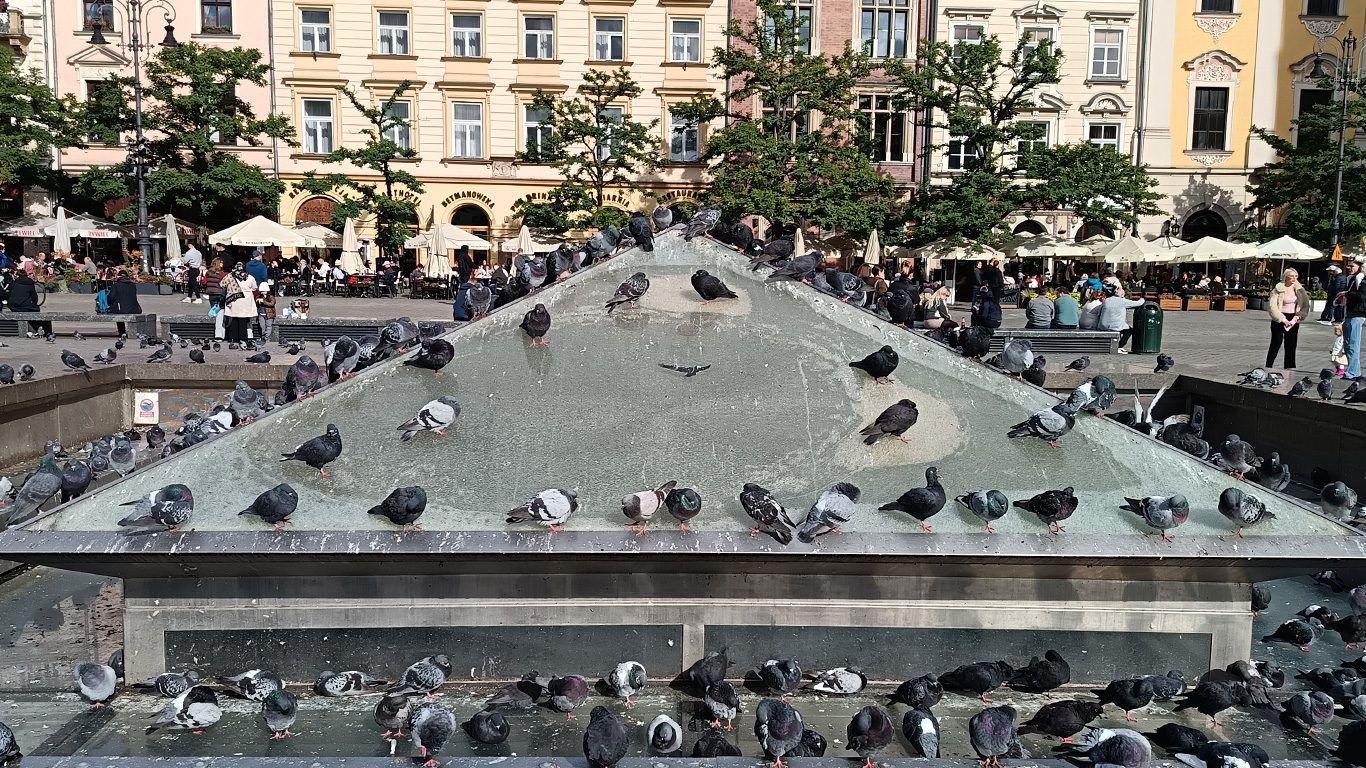
Kraków: The City of Pigeons and Other Small Sorceries
I hadn’t expected to go to Kraków.
The idea came from an unexpected source: my hairdresser. We were chatting about travel, and she told me how her sister finds cheap flights and each month disappears somewhere new — she doesn’t care much where, she’s just after the adventure of experiencing a new place.
Then she turned to me and asked, “Would you ever do something like that?”
The question stuck. It felt like a nudge out of my comfort zone, and within a few days, I’d booked a last-minute, off-the-radar deal.
My husband and I, first-time backpackers in our fifties, caught a budget flight with Ryanair and stayed overnight in Liverpool Airport before the early morning plane. There was something quietly thrilling about it: two grown-ups with small backpacks, eating dinner at 2 am from the vending machine, heading east on a whim, pretending to know what we were doing.
Kraków greeted us with a crisp October chill as we headed out of the airport and onto the bus. That was a mini adventure in itself as the ticket machine seemed to be the most complex of equipment, and then I couldn’t work out how to validate the ticket once we were on the bus. Luckily, a fellow traveller saw my confusion and helped me out.
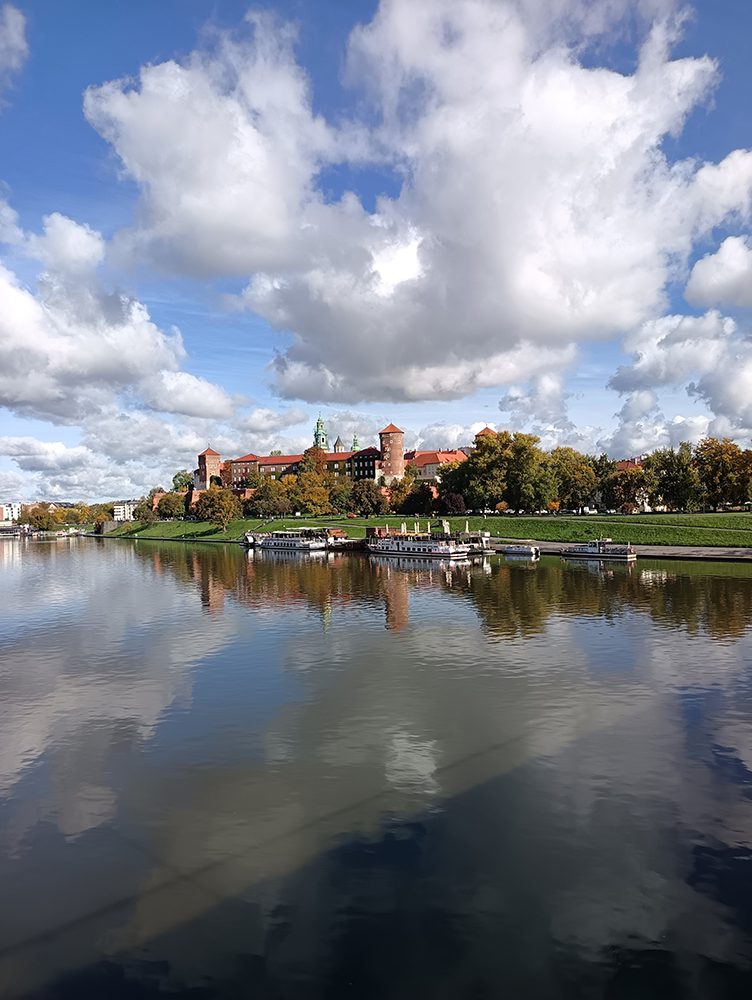
We rented a small apartment about twenty minutes from the Old Town and set out walking, still a bit dazed from lack of sleep. The pavements were swept clean, and every corner seemed to offer up another church with saints in alcoves watching us pass. The leaves were just turning; gold and russet against the pale sky, as if the whole city had dressed for autumn.
A City Watched by Birds
The Market Square was the heart of it all — wide, bustling, and teeming with pigeons. Hundreds, perhaps thousands, would swirl suddenly in gusts of wind, only to settle again near the Cloth Hall or beneath café tables. It reminded me of Trafalgar Square in London, back when pigeons outnumbered the visitors. These Polish birds, however, weren’t seen as pests, merely as part of the city’s rhythm, quietly accepted and strangely at home.
On one of our days in Kraków, we took a walking food tour. As we were wandering between food stops, the guide told us the story of the pigeons.
The pigeons of Kraków’s Main Market Square are not quite ordinary. Some of them were once men — knights placed under a spell. The tale goes that in the 13th century, Prince Henryk IV Probus wanted to unite the Polish lands and claim the crown, but he lacked the funds. A witch offered her help: she transformed his warriors into pigeons. The enchanted birds flew to St Mary’s Church, pecking tiny pebbles that magically turned into gold coins. The prince gathered the treasure and set off for Rome to secure the Pope’s blessing. But along the way, he indulged in feasts and celebrations and… lost it all. He never made it to Rome, never returned to Kraków, while the soldiers — now pigeons — linger in the square, still waiting for their prince.
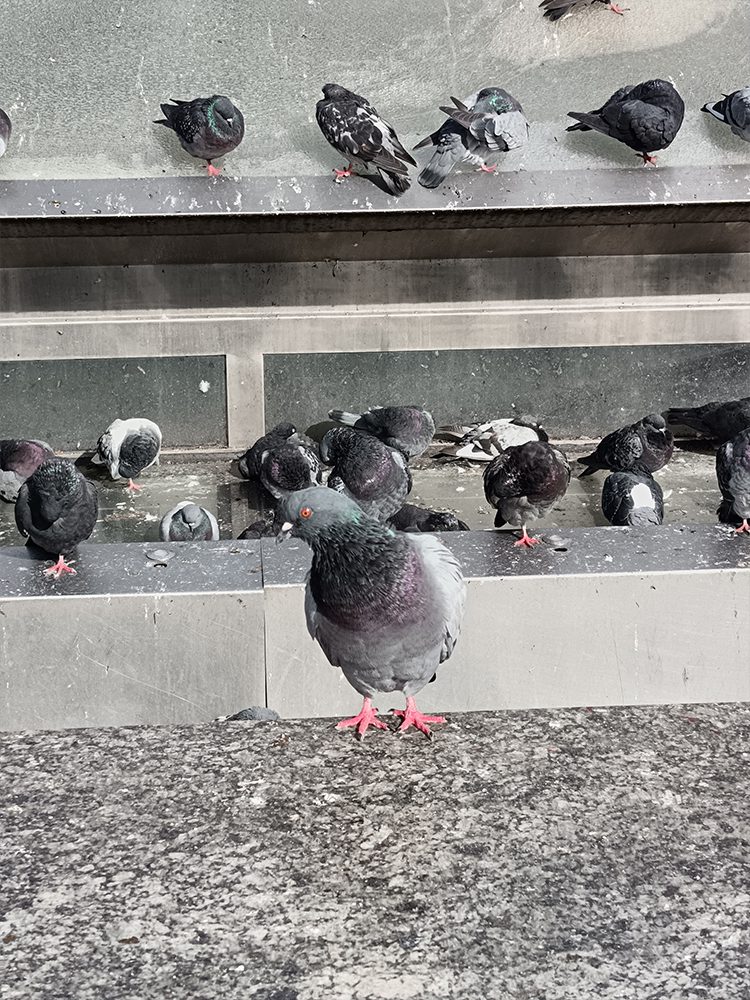
I watched one pigeon hop along the cobbles, pausing near a flower-seller’s stall. Its feathers caught the pale sunlight, and for a moment, I could almost believe it was someone under enchantment — a soldier frozen mid-step, waiting centuries for release.
Cities are good at holding onto their ghosts, but Kraków seems to carry them with a gentleness, as if they might take flight at any moment. Here, they don’t haunt; they linger, curious and light, like whispers of a story half-remembered.
Amber, Bread, and Bullet Holes
Markets are where I always feel the pulse of a place. Kraków’s was a kind of theatre — stalls piled high with amber, gold and honey in the weak sun. I bought earrings for myself and my daughter, not because I needed them, but because they caught the light like trapped warmth.
Nearby, vendors sold ring-shaped bread that looked like bagels – obwarzanek Krakówski – and we ate ours walking between stalls, brushing crumbs from our jacket sleeves.
The city carries history on its walls. In the quieter streets, I noticed what looked like bullet holes pocking the old buildings — small reminders of everything that has been endured and rebuilt. Kraków isn’t loud about its pain, but it doesn’t hide it either. It whispers through cracked plaster and uneven cobbles, through stonework and monuments shaped by centuries of footsteps and fleeting touches.
The Sadness of Kazimierz
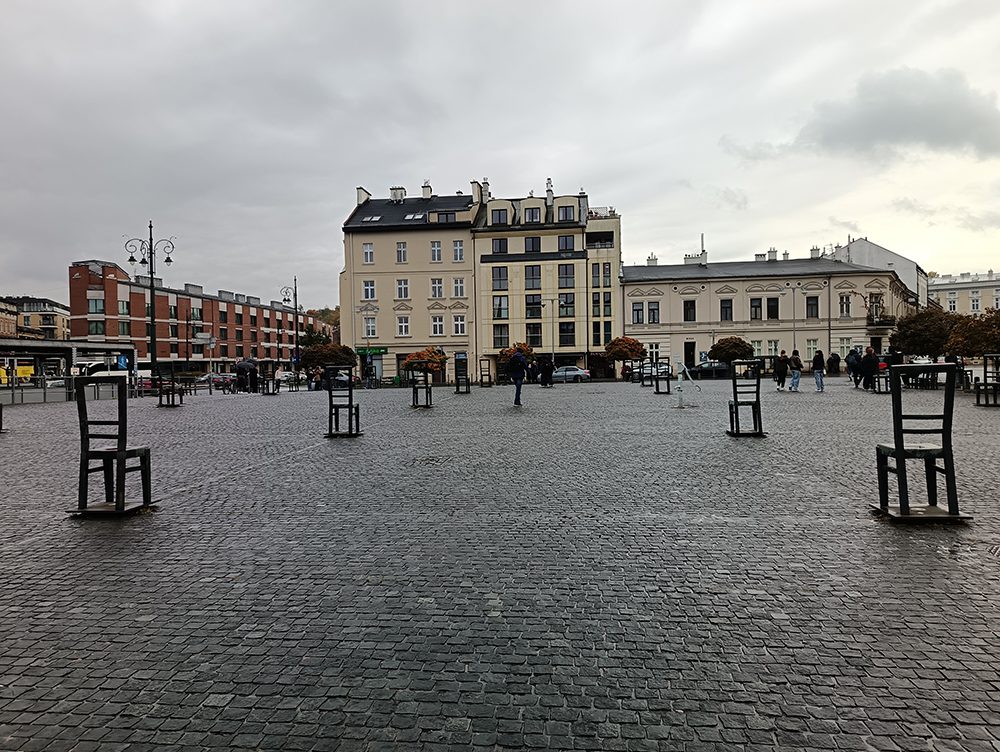
The Jewish Quarter, Kazimierz, is where that whisper becomes a low murmur of memory. It’s beautiful in a way that hurts — pretty facades, red tiled rooves, old synagogues turned ammunition warehouses turned into museums to remember the pain.
I stood by a section of the old ghetto wall, the bricks cold beneath my palm, and felt a heaviness I can’t quite name. The tears flowed as I was swept up in a sadness that was deep and still very much alive. I decided not to visit Auschwitz. I already knew it would be too much. Sometimes bearing witness means acknowledging your own limits.
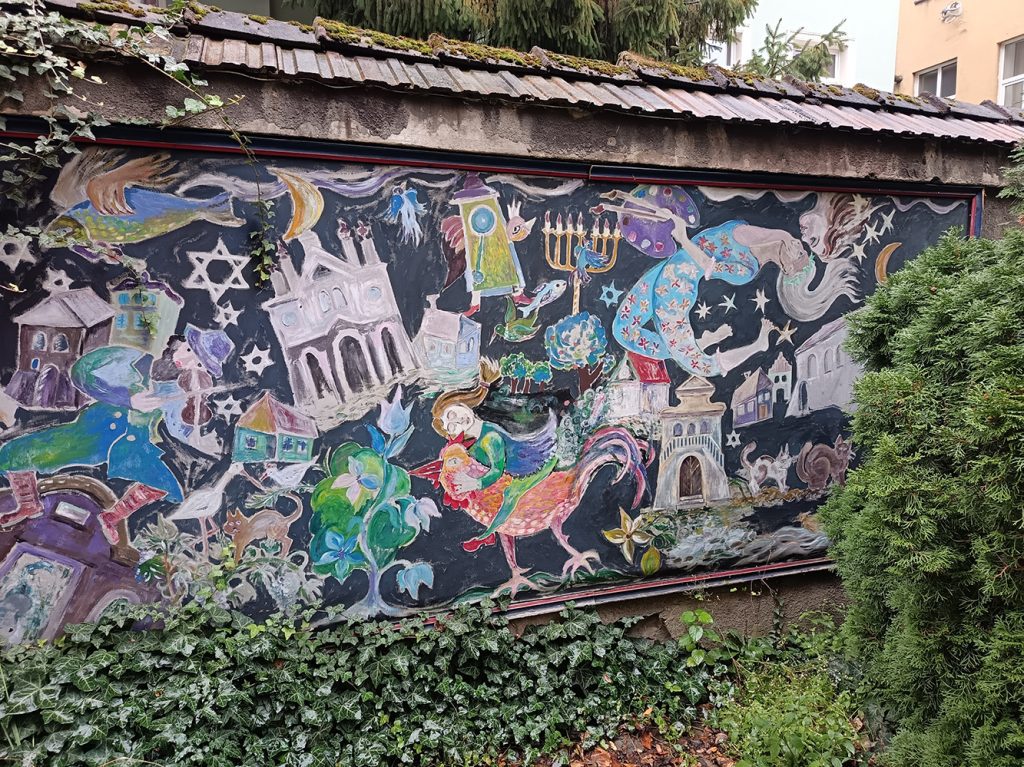
Yet even in its sadness, Kazimierz felt alive. Cafés were buzzing and restaurant owners stood on the cobbles enticing tourists with the promise of the very best pierogi. Life insists on itself. That, too, felt like a kind of prayer.
Nights of Light and Sound
By evening, the city changed costume.
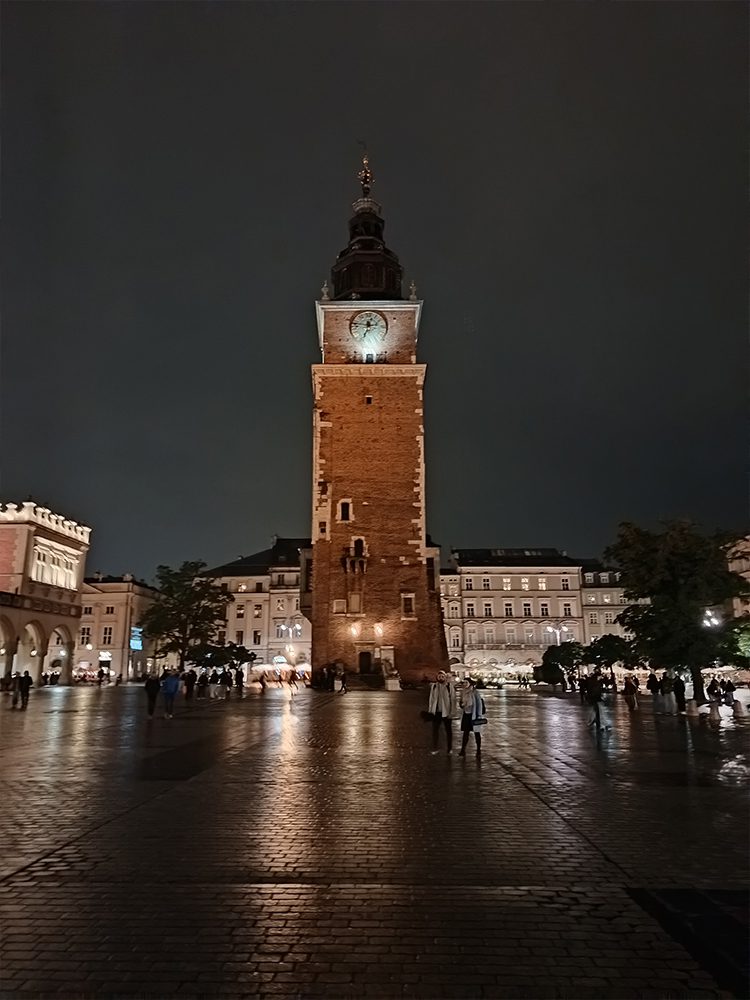
Fairy lights twined around restaurant terraces, the air full of chatter and the clinking of glasses. We wandered through the market square, feeling sorry for ourselves for overindulging in Polish cuisine, listening for the trumpet call that drifts from the church tower every hour. The trumpeter’s tune stops abruptly mid-note — always unfinished, in memory of a warning call cut short by an arrow centuries ago. The pause hangs in the air, a tiny silence where the past breathes through the present.
That sound — half melody, half echo — felt like Kraków itself: beautiful, layered, and never quite complete.
Between Then and Now
Travelling with only a backpack felt like shedding a layer of formality I didn’t realise I’d been wearing. We walked everywhere. We got lost often. We found our way back by following church spires or noticing food vendors we’d previously passed.
I loved how the city kept revealing new corners: convent courtyards with ivy creeping over stone, narrow passages opening onto sudden bursts of light. Even the pigeons seemed to know more than they let on, watching from statues and rooftops, patient as old gods but perhaps a touch hungrier for breadcrumbs.
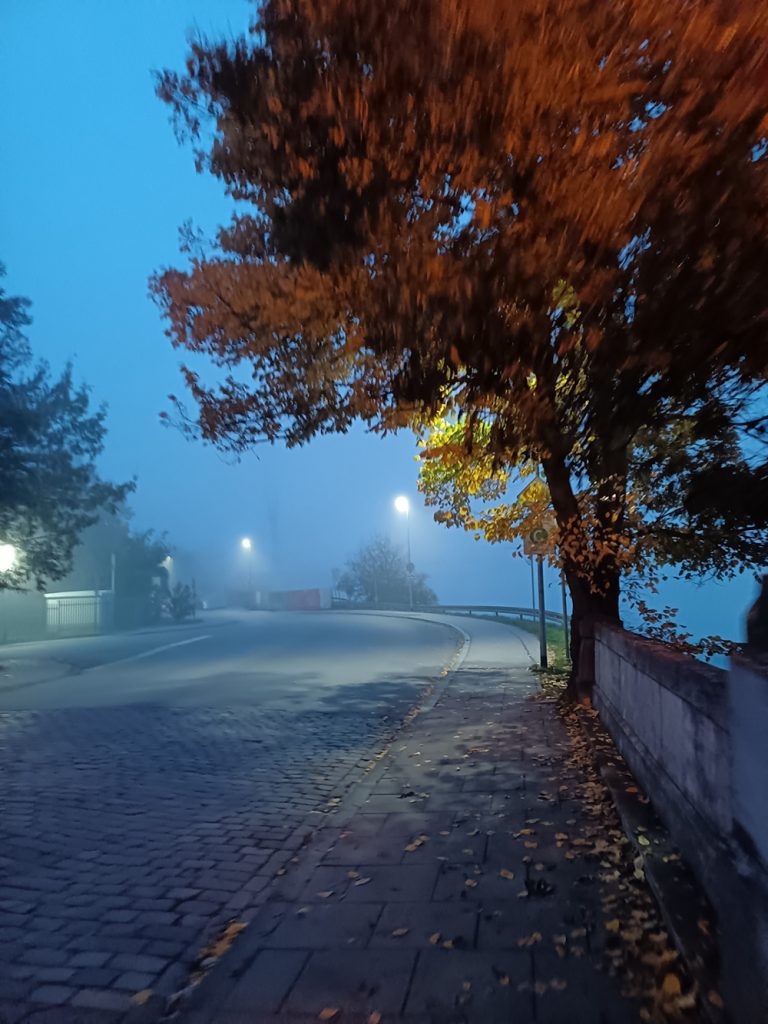
On our last morning, mist hung low on the road outside of our apartment. We had to leave early to get to the airport and it was colder than the previous days.
Our breath mingled with the mist. We walked in the twilight, crunching golden leaves on the floor of parkland, then alongside the Vistula river and finally to the bus stop.
As I waited for the bus, I thought again of the witch and her knights, of spells that turn one thing into another — men into birds, grief into art, journeys into stories. Maybe that’s all travel is: a quiet transformation, the kind that only becomes clear once you’re home again.
Finding the Magic in the Everyday
Kraków wasn’t on my list of must-see places, and perhaps that’s why it worked its spell so completely.
It reminded me that adventure doesn’t have to announce itself with grandeur or faraway horizons. Sometimes it’s just the courage to say yes to a last-minute flight, to carry only what fits in a small bag, to walk until your feet ache and the unfamiliar starts to feel like a mirror.
I came home with amber earrings, photographs of pigeons and churches, and a mind full of half-told stories. The city stays with me — in the smell of bread, the sound of the trumpet, the shimmer of feathers in the square. Kraków, the city of pigeons and other small sorceries, taught me to look again — and to see the ordinary as something quietly enchanted.
One Comment